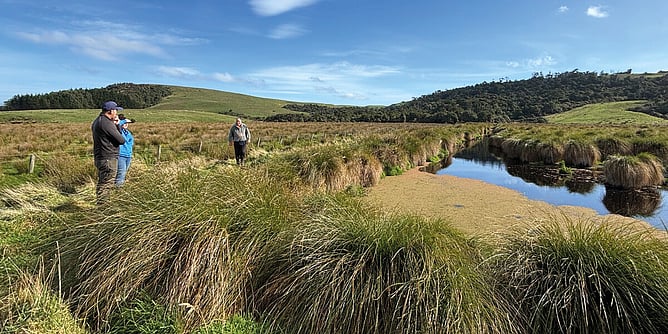
One of the big highlights in May – actually, for the whole year, was the Everything To Gain – Paddocks to Market event held at Ascot Park Hotel in Invercargill.
Trade relationships, the need for a bit of courage, innovation, sustainability - and the importance of staying relevant were some of the key takeaways from the day.
We heard about New Zealand’s trade relationship with the world and how we can make the most of it – we trade on our reputation and everything we do to help deliver what our customer wants is important.
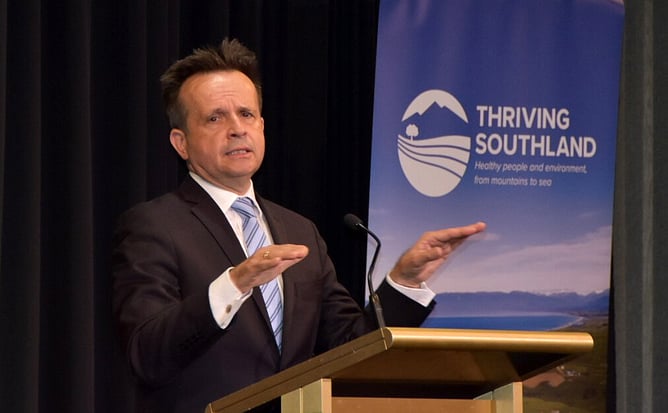
New Zealand’s top trade official Vangelis Vitalis outlines the shifting trade climate.
Amongst the key messages from speakers:
We don’t need to be afraid of change - we have good people out there working hard at an international level to champion what we do and have those important conversations. Our markets are always changing, and we just need to keep listening and adapting to make the most of them.
Environmental sustainability and credibility is vital to all of this.
We produce quality raw ingredients in Southland and these are important for our diets. We have great product traceability for our customers, which is a big part of the food story. We heard that food opportunities and growth markets are shaped by many factors including, population, technology, debt, war and AI. We also export 95% of our product, so we need the world (but they don’t need us!)
There are lots of innovations coming to market to help with agricultural systems and maximising value to food chains, such as nitrogen uptake in plants, water creation, on farm data collection, energy creation, fertiliser manufacture and insecticide and fungicide developments. Robotic innovations will lead to a mindset shift change in how we deploy human resources.
There was a focus on telling our story making a real difference in trade negotiations and that we’re all New Zealand ambassadors. We also talked about not underestimating the power of tourism to our agricultural exports – everyone who comes to New Zealand sees the country and our approach to farming with nature, and people return home and want to buy NZ products.
And finally, the importance of staying relevant as a preferred protein supplier in a rapidly changing world, positioning ourselves well in global protein markets, and being aware of consumer trends and opportunities like food service momentum.
More on the event below and a wrap of all the amazing Catchment Group events and activities – have a great June!
Board Profile – Ed Pinckney
Ed studied Agriculture at Lincoln University, Walford College in the UK and Telford Polytechnic, before working on several properties throughout the South Island and travelling the globe. He landed in Southland and has been farming here since 2008, leasing a property from his parents.
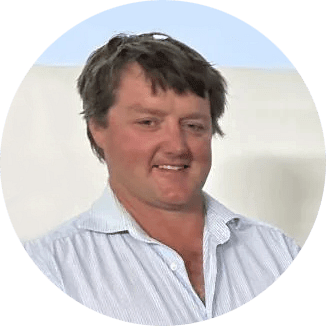
Ed developed the business over the last 15 years through several acquisitions, sales, and further development of Edward Pinckney Ltd. He now farms alongside his wife Harriet and son Archie, Jericho Station, a 1500ha 13,500 SU sheep, beef and dairy grazing property near Manapouri, and is a director/owner of Waipango Dairy Ltd, a 700 cow/250 ha property near Riverton.
Ed has also held positions on the Southland Federated Farmers Executive and is Chair the Telford Education Advisory Board. He is a member of a progressive farm discussion group and Te Anau Basin Catchment Group, and has completed The RaboBank Executive Development Programme, Kellogg Rural leadership, and a Nuffield Scholarship.
Environmental stewardship is a top priority in his businesses, and Jericho is accredited FAP Plus Gold standard, and on farm they invest heavily in environmental initiatives.
News
Everything to Gain: Paddocks to Markets Wrap-up
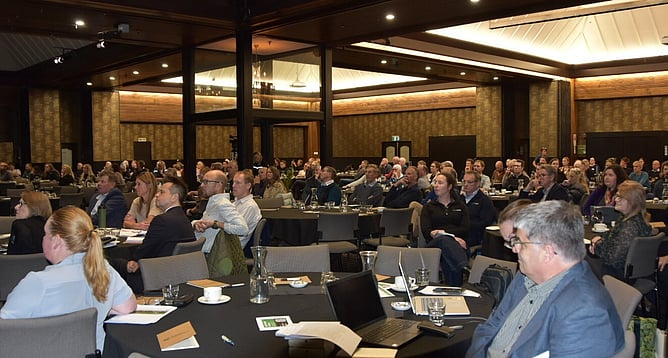
What a fantastic day! The Everything to Gain event brought together over 200 farmers, rural professionals and industry leaders for a full day of discussion on New Zealand’s place in a rapidly changing global market. With a strong line-up of speakers and an engaged audience, the conversations focused on how we can better understand our markets, respond to change, and position Southland for long-term success.
Keep an eye on the Thriving Facebook page – we’ll let you know when all the presentations are up on the Thriving website.
New Catchment Group Champions Awarua’s Waterways and Wetlands
The newly established Awarua Catchment Group held its first meeting in March, attracting a strong turnout from across the community and signaling broad interest in working together on local environmental priorities.
The Awarua catchment is a unique and highly connected landscape, where coastal, estuarine, urban, rural, and industrial land uses all interact through shared waterways and tidal systems. It is both environmentally significant and home to a growing industrial hub, creating a need for local collaboration and practical understanding.
It’s been wonderful to see the willingness of people in the local community from different backgrounds to come together, listen, and start building that shared understanding.
The Catchment Group’s early focus will be on learning more about the catchment, its environmental values, and the pressures affecting it. The Bluff Hill Motupōhue Trust has also expressed interest in working alongside the Group, including opportunities to align with the Trust’s possum trapping programme as it looks to extend beyond Motupōhue.
The Awarua Catchment Group remains in its early stages and welcomes anyone with an interest in the environment, including farmers, landowners, residents, industry representatives, and community organisations. More information can be found at Thriving Southland’s Awarua Catchment Group page.
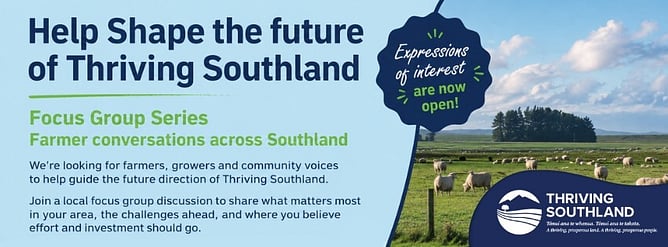
Help shape the future of Thriving Southland
Click here to Register your interest to take part in a local focus group
Recent Events
Pourakino Catchment Group Stream Health Field Day
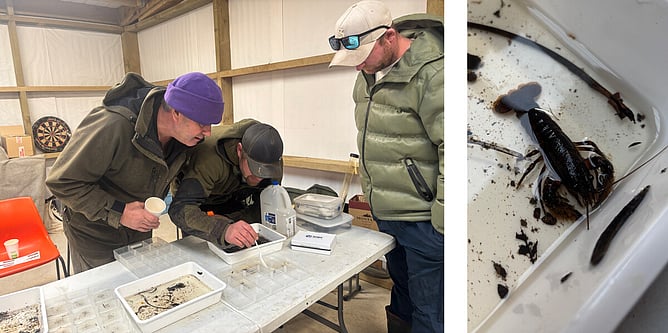
Despite a wet April Southland day, the Pourakino Catchment Group’s stream health field day, focused on freshwater health, was well attended. The rain eased just long enough for a quick dash to Taylors Creek, where they collected a couple of kick net samples. The stream certainly did not disappoint. Even after several days of rain beforehand, the nets revealed a common bully and a kōura, along with heaps of mayflies and stoneflies. These species are encouraging indicators that Taylors Creek is in good health.
Trays, magnifying glasses and plenty of curiosity kept people – and kids – engaged, while discussions focused on what these species can tell us about water quality and stream health. The group also collected an eDNA sample, which added another layer of insight into what else lives in the creek. The day wrapped up with a well-earned BBQ lunch.
Otamita pest control workshop hears from Makarewa Headwaters
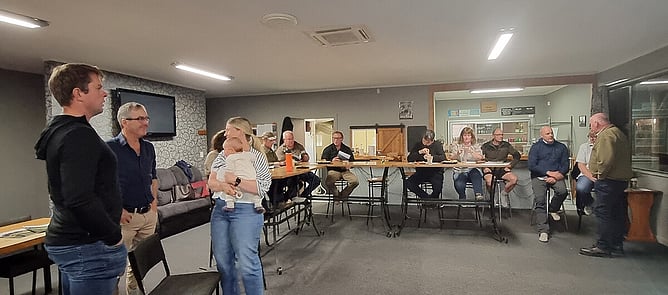
The Otamita Catchment Group recently hosted a pest control workshop featuring the Makarewa Headwaters Catchment Group. They shared their work managing feral deer and pigs including how they’ve assessed the scale of the issue across their catchment, looking at animal numbers, bush health, and impacts on biodiversity and farm systems. They also spoke about the next stage of their project, which includes setting up exclusion plots to monitor native bush regeneration as pest pressure is reduced.
It was a great evening with plenty of ideas and questions shared around the room. A big thank you to the Makarewa Headwater Group for making the trip and sharing their experience.
Waikawa: Building on the success of Slow the Flow
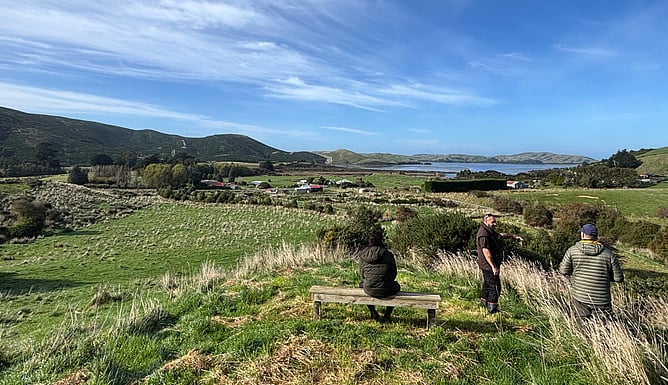
The Waikawa Catchment Group have been keeping busy with Craig Simpson visiting a number of potential restoration sites to support their “Slow the Flow” project. It’s been great to see some new faces getting involved and supporting this important Catchment initiative.
We have seen a range of ideas are coming forward including fencing and planting wet areas, wetland restoration, and the regeneration of bush and other natural areas.
Happy plants and lots of helpers at Mid Ōreti Catchment Group drop-in
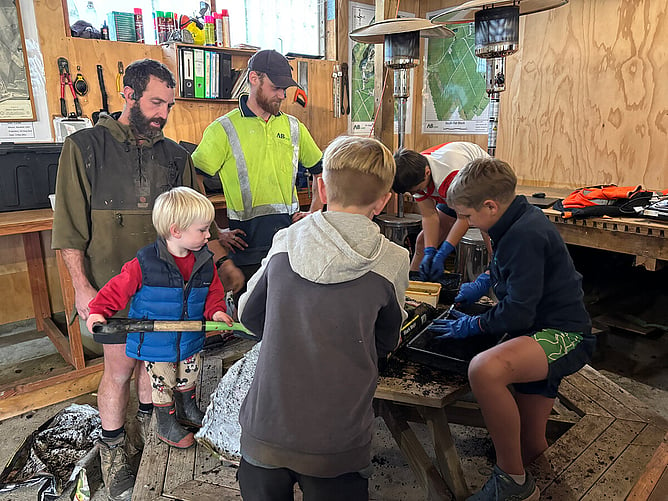
April and May have been busy at the Mid Ōreti native plant nursery monthly drop-in sessions. It’s been a fantastic team effort with Heddon Bush School Enviroschools crew, Central Southland College student volunteers, and Catchment Group members potting up plants and planting out seed trays.
Through these 2-hour monthly volunteer sessions, we can bring on around 2500 plants a year, and all the plants go to local landowners ($1.25 a plant) which is reinvested back into the project. Five hundred plants are donated to local school and community projects. It’s all about learning and sharing skills to grow mini native forests and help biodiversity.
Here are some awesome facts and figures from the past two months:
400 cabbage trees and 60 Kowhai repotted by 11 people in two hours in April
22 seed trays sowed out with locally collected seed from Lancewood, Rohutu, Red Matipo, Black Matipo, Kapuka and Toetoe
150 Pittosporums repotted by 18 people in less than two hours in May.
We were really lucky to be given 50 cabbage trees from the lovely Sherry from Ōtātara, and we always appreciate donations to support our project.
Wendon and Otama Catchment Groups map out future plans
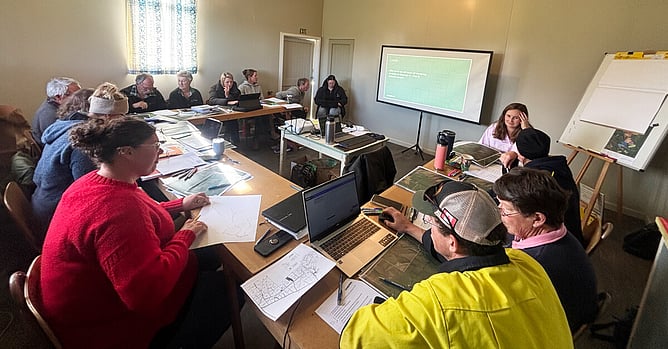
A great afternoon with the Wendon and Otama Catchment Groups alongside Landpro in early May, with plenty of practical discussion around understanding farm landscapes and identifying key areas across the catchment worth exploring further.
The session focused on giving farmers useful tools to better understand how water, sediment, nutrients, and infrastructure move across their farm systems, and how mapping can help highlight both risks and opportunities on farm.
There were plenty of good conversations in the room, with farmers sharing ideas, asking thoughtful questions, and working through what different approaches could look like on their own properties.
Dipton Catchment Group water testing afternoon
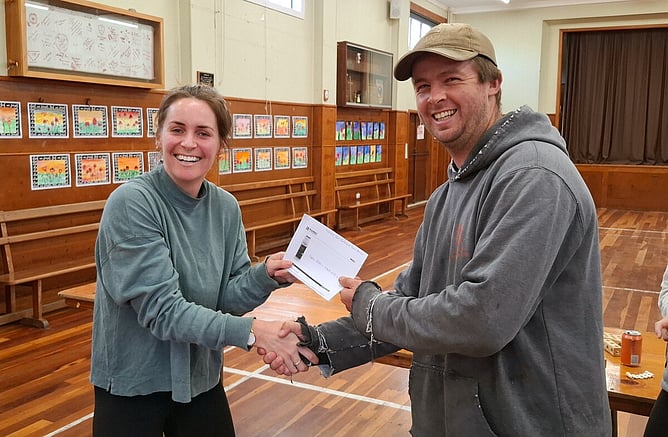
The Dipton Catchment Group held a water testing afternoon in May, taking a look at nitrate levels in drinking water sources. It was a great afternoon with around 25 samples read. A big thanks to the Edendale Aquifer Group for loaning us their nitrate metre. And a HUGE THANKS to Southland Farm Services Ltd for donating an on-tap nitrate filter! Our lucky winner Erica was absolutely stoked.
Upcoming Events
Mini Forest Movement Native Plant Nursery drop-in session
When: First Tuesday of every month, from 4pm to 6pm
All welcome to come to our monthly native plant growing working-bee evenings at the AB Lime Nursery. Your help will go toward growing plants for the Mid Ōreti Mini Forest Movement Project, which provides native plants to the local community and landowners for their planting projects. Training is provided and all ages welcome! Stay for as little or as long as you like.
Free Emergency Preparedness Workshops: Get your farm ready for the next big emergency
When: 23-25 June
Following on from the successful national roadshow, Thriving Southland are bringing Emergency Preparedness workshops to you. These workshops explore local scenarios and help you complete your own Emergency Farm Preparedness plan so you can be as ready as possible for when the worst might happen.
Based on the Taranaki Catchment Communities work, the workshops are lively, engaging and hugely valuable. Not to be missed!
Check out our website for details.