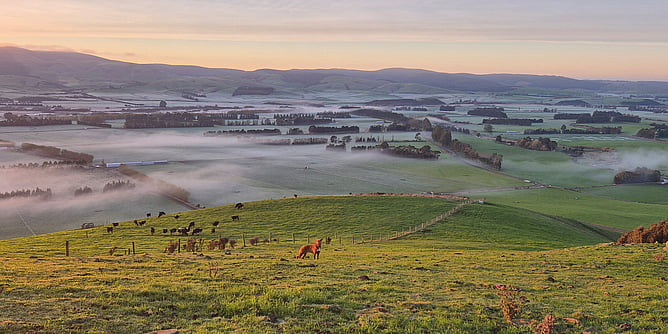
After a massive month of events and happenings, July is a good time to take stock and make sure all the winter planning is on track.
We’ve been fortunate with a fantastic autumn in the south, but we need to be aware that the forecast "super" El Niño could bring some wetter than average weather through the latter part of 2026 and into the new year. These systems can be quite unpredictable, so fingers crossed Southland holds up okay.
Preparation is key as any good farmer will tell you and that’s one reason we organised three Catchment Emergency Preparedness Workshops around the region in late June. More on those below.
Elsewhere around our Catchment Group communities, it was heart-warming to see the Three Rivers Catchment Group and the Wyndham community, including students from Menzies College, work together to plant 300 natives in just two hours. Mammoth effort!
Some super images (see this month’s banner photo above) coming out of the Upper Aparima Catchment Group’s possum monitoring programme, which got underway in late May and is continuing during the next few weeks. This is crucial work helping protect our flora and fauna in the catchment.
While it’s a busy time of the year on farm, there’s a Lower Aparima wintering tour and of course the monthly Mid Ōreti planting evenings happening this month.
Have a great July!
Message from the Chair, Jeff Grant
The financial year for Thriving Southland closes on 30 June, and we have remained within budget while delivering a comprehensive programme of activities with our 38 Catchment Groups across Southland.
Some Groups have paused after completing catchment projects, while newly formed Groups are mapping their pathway for future work. Many other Groups remain fully involved in projects within their communities.
The focus for many Groups is now shifting from understanding, measuring, and monitoring environmental impacts within their catchments to implementing mitigation projects. These include wetlands, buffer zones, sediment mitigation, nitrate reduction, and land management assessments that help reduce environmental impacts on farming properties.
Thriving Southland has also been working to establish a more sustainable funding model to ensure we can continue supporting Groups and the important work they are doing. We have now secured core funding for the next four years, which is a significant improvement on the annual funding negotiations we have been required to undertake in recent times.
We are also confident of securing reasonable funding for Catchment Group project work in the 2026/27 year. We encourage your group to consider the next project that could build on the environmental improvement work already undertaken within your community
Board Profile – Rosie Hunter
Rosie Hunter is a Thriving Southland Associate Board Member. Alongside her husband Regan, she lives and farms south of Mossburn, on a bull beef, dairy support and winter grazing property.
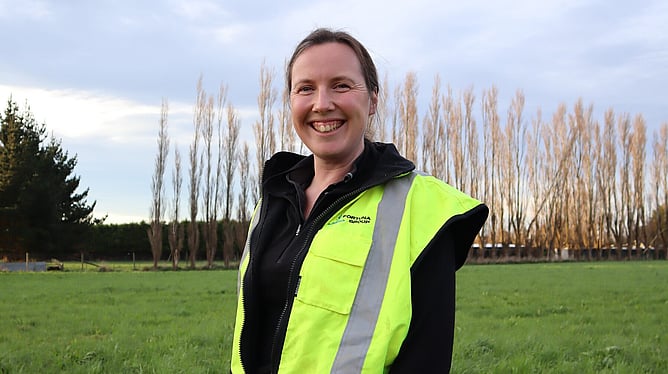
Rosie is the Sustainability Manager for Fortuna Group and she places a strong emphasis on people, building capability and embedding sustainable practices across the business. Her focus is on nutrient management, water, biodiversity and compliance, turning requirements into clear, workable actions that fit day-to-day farming. She coordinates the planting of 15,000 plants annually and works with QEII across 283ha of covenanted land on the farms.
Rosie strongly believes that Catchment Groups, supported by Thriving Southland and with sustainable funding, can deliver outcomes that truly improve land and water. She helped re-establish the Mid Oreti Catchment Group while living in Winton in 2019. Through Fortuna’s farms in Edendale, she is a member of the Edendale Aquifer Group and is also part of her home Catchment Group, Upper Aparima.
News
Southland Farmers Get Prepared: Emergency Workshops draw strong community response
More than 60 farmers and rural community members across three Southland catchments have rolled up their sleeves to tackle emergency preparedness head-on, taking part in a series of Thriving Soutland-led Catchment Emergency Preparedness Workshops.
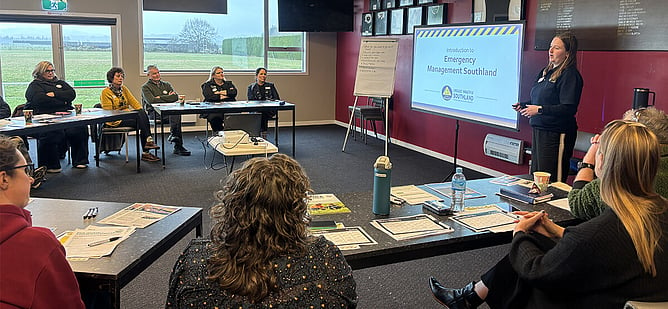
Held across Otautau, Dipton, and Riversdale, the workshops brought together landowners, farmers and local business owners to work through practical plans for protecting their families, farms, and communities in the face of major weather events, earthquakes, and other emergencies. At each session, participants enjoyed the chance to connect over afternoon tea, while working through hands-on activities and robust conversations about what it really takes to be ready when disaster strikes. Attendees left with practical resources and a clearer picture of the steps needed to build resilience on and beyond the farm gate.
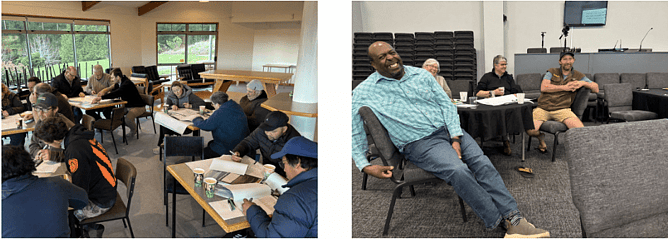
A highlight across all three events was the enthusiasm for taking a community-focused approach to preparedness — with many participants keen to explore how catchment groups can work together when it counts most.
Facilitators Lee Cowan (Otautau, Dipton) and Tessa Miller (Riversdale) did great jobs drawing out relevant and meaningful conversations. Thanks also to Southland Civil Defence for coming along and sharing their expertise.
Interested in getting involved? Contact Thriving Southland at office@thrivingsouthland.co.nz for more information.
Rural Women are collecting drums to recycle (South Coast)
If you have bags or drums you want to recycle, please drop bags off to Titiroa Transport base at either Tokanui and Titiroa, or drop bags of drums at the same locations between 1 and 5pm on 13 July.
You can recycle:
Any plastic drench or chemical drum, 1lt to 1000 lt, triple rinsed and tops off, plastic only, and cut down into manageable sizes
if you have multiple totes use one plastic liner to put all cut down liners in
Any drums (except oil) and they don’t need Agrecovery tags but please pop into fertilser bags (if you have them) and write your name, number of drums and contact number on bag
If you don’t have fertiliser bags, let Dot McDonald know (0274977962) and she’ll provide some.
Bale wrap collection will be in early August.
Everything To Gain videos and presentations – available now!
In case you missed it – the Everything To Gain videos and presentations are on the Thriving Southland website – check them out here. You can also hear our Project Lead Richard Kyte chatting on the Muster about the day here.
Funding opportunity – SDC Community Partnership Fund
The Southland District Council Community Partnership Fund supports an array of local initiatives and projects. The Southland District’s nine community boards are responsible for approving grants from their respective funds, and each has developed individual criteria for applications. For more information click here.
Catchment Convos Podcast latest episode – Wetlands working on farm
Wet, boggy corners of the farm are often seen as a problem — but what if they could become one of your farm’s smartest investments? In this episode, we talk to Justin Kitto from DairyNZ about why wetlands are becoming an important part of Southland’s farming future, from improving water quality to helping manage flood and drought risk – listen here.
Thriving Southland features on new rural podcast
In the first episode of RaboTalk ‘Growing our Future’s new Catchment Catch-Ups’ series, host Blake Holgate sits down with Thriving Southland Project Lead Richard Kyte to explore how farmer-led catchment groups are creating practical, locally driven solutions for some of the biggest challenges facing New Zealand farming today – watch and listen here.
Recent Events
Community comes together to plant 300 natives in two hours
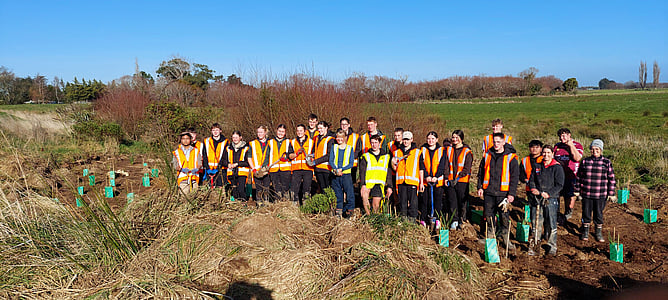
Photo credit: Environment Southland
More than 300 native plants found a new home last month, thanks to a fantastic community effort involving the Three Rivers Catchment Group, Environment Southland, Menzies College students, and local supporters.
They planted a mix of carex, cabbage trees, pittosporums, and other native species along a stream that feeds into the Wyndham Wildlife Refuge oxbow.
The planting project aims to improve habitat and waterway health while creating a more resilient environment for native wildlife. The stream provides important habitat for taonga species, including the threatened giant kōkopu and native eels, and the new plantings will help provide shelter, improve stream margins, and enhance biodiversity over time.
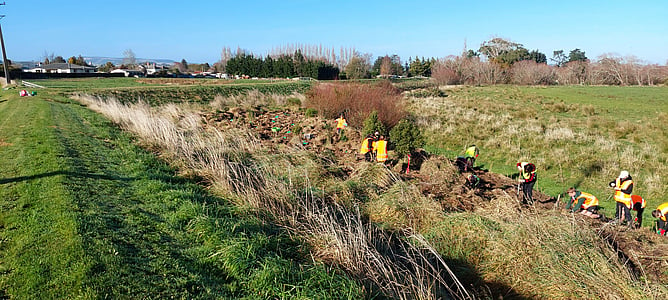
The project was led by David and Joanna Diprose whose passion and commitment were instrumental in bringing the day together.
The Three Rivers Catchment Group would also like to acknowledge the support of the Mataura Catchment Liaison Committee, which provided funding through the Mataura Catchment Group Grant, along with Environment Southland for their assistance in delivering the project.
Upper Aparima Possum Monitoring Programme Underway
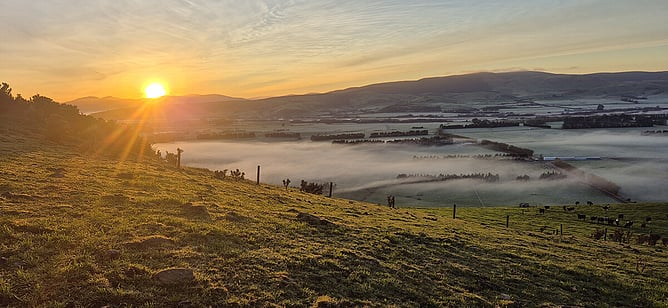
Upper Aparima Catchment Group’s possum monitoring programme got underway in late May and will continue during the next few weeks.
Andy Kinley from K Traps, and his trusty canine pal Tāne, are leading the work across the catchment. The area has been split into five blocks, allowing results to be measured for each block as well as an overall catchment picture. This pre-control monitoring focuses on establishing the Residual Trap Catch Index (RTCI). RTCI estimates possum abundance by measuring how many possums are caught in a standardised trapping period, giving a clear baseline before control begins.
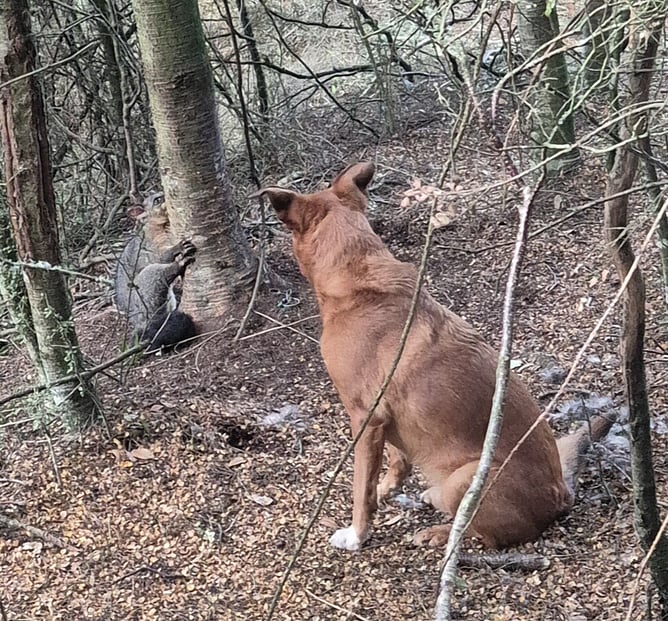
Tāne checks out a possum
The goal is an RTCI of 5% or lower following control. At or below this level, possum numbers are low enough to significantly reduce pressure on native bush and wildlife, and help limit the spread of bovine TB. Establishing this baseline now is critical for measuring the success of future control work.
Mid Ōreti Catchment Group monthly nursery session
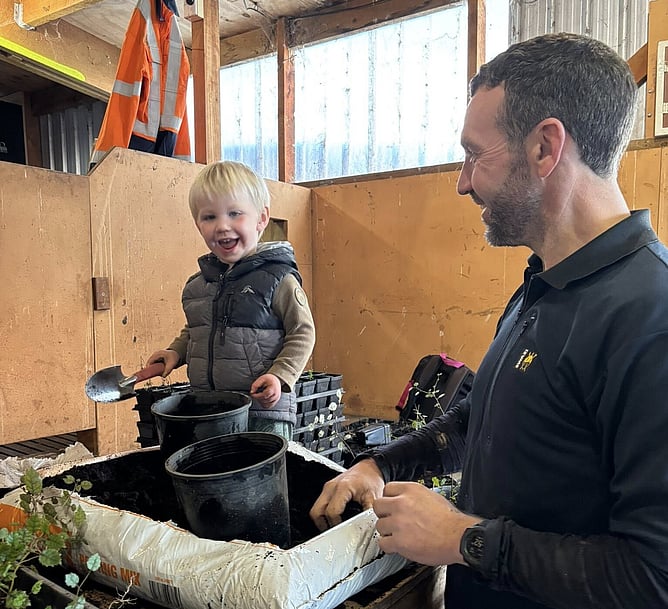
We had a fantastic evening in early June at the Mid Ōreti Catchment Group monthly nursery session. The team potted up over 500 marble leafs carefully dug up from the paths in the AB Lime bush block as a bit of a trial.
Upcoming Events
Lower Aparima CG Annual Wintering Tour 2026 – Whitebait and Wintering
When: 2 July, from 12.30pm to 3pm with BBQ to follow
Where: Starting at Carmichael Road River Carpark – (near Riverton Otautau Road intersection)
The Lower Aparima Catchment Group are heading out to look at the catchment, checking out the Aparima River where Inanga (the most abundant of the whitebait species) are suspected to spawn, to hear why this little fish needs our attention. Followed by visits to see Halter Wintering and Hay and Saved Pasture Multi-Block Wintering. Come along for the whole thing or jump in along the way, we’ll make sure you’ll know where we are at.
For more information contact: John 0272023945 or Stacey 021566229 stacey@thrivingsouthland.co.nz
Mini Forest Movement Native Plant Nursery drop-in session
When: First Tuesday of every month, from 4pm to 6pm
All welcome to come to our monthly native plant growing working-bee evenings at the AB Lime Nursery. Your help will go toward growing plants for the Mid Ōreti Mini Forest Movement Project, which provides native plants to the local community and landowners for their planting projects. Training is provided and all ages welcome! Stay for as little or as long as you like.
Edendale Aquifer Group: What We've Learnt and Where to Next
When: 20 July, 7pm onwards
Where: Edendale Rugby Club
Over the past 18 months, the Edendale Aquifer Group has been working to better understand nitrogen movement through their catchment and identify practical solutions that work on the ground.
Come along to hear about the new nitrate prioritisation tool, the results of local DairyNZ case studies looking at stacked mitigation options, and the pilot wetlands established along the Edendale Terrace. We'll share what we've learnt, what's worked, what has been challenging, and discuss opportunities for future action in the catchment.
Waikawa Catchment Group – Operational Pest Control Workshop
When: 14 July, from 1pm to 3pm
Where: Tokanui, Get in touch for the farm address
Join us for a practical workshop at Craig Short's property, where we'll cover cage traps, SA2 traps and AutoTraps, along with tips and tricks for baiting, trap placement, maintenance and getting the best results from your pest control efforts.
We'll also discuss how to identify priority locations across farms and the wider catchment to maximise the effectiveness of the programme.
If you’re a part of the Waikawa Catchment Group – this is one not to miss.