Slow the Flow / Erosion Mitigation Project
Catchment Group:
Project:
A community-led project implementing erosion and sediment-loss mitigations to protect the Waikawa River.
Thriving Southland Funding:
$41,232 excl. GST
Period:
Feb 25 - Jun 25
Project Description
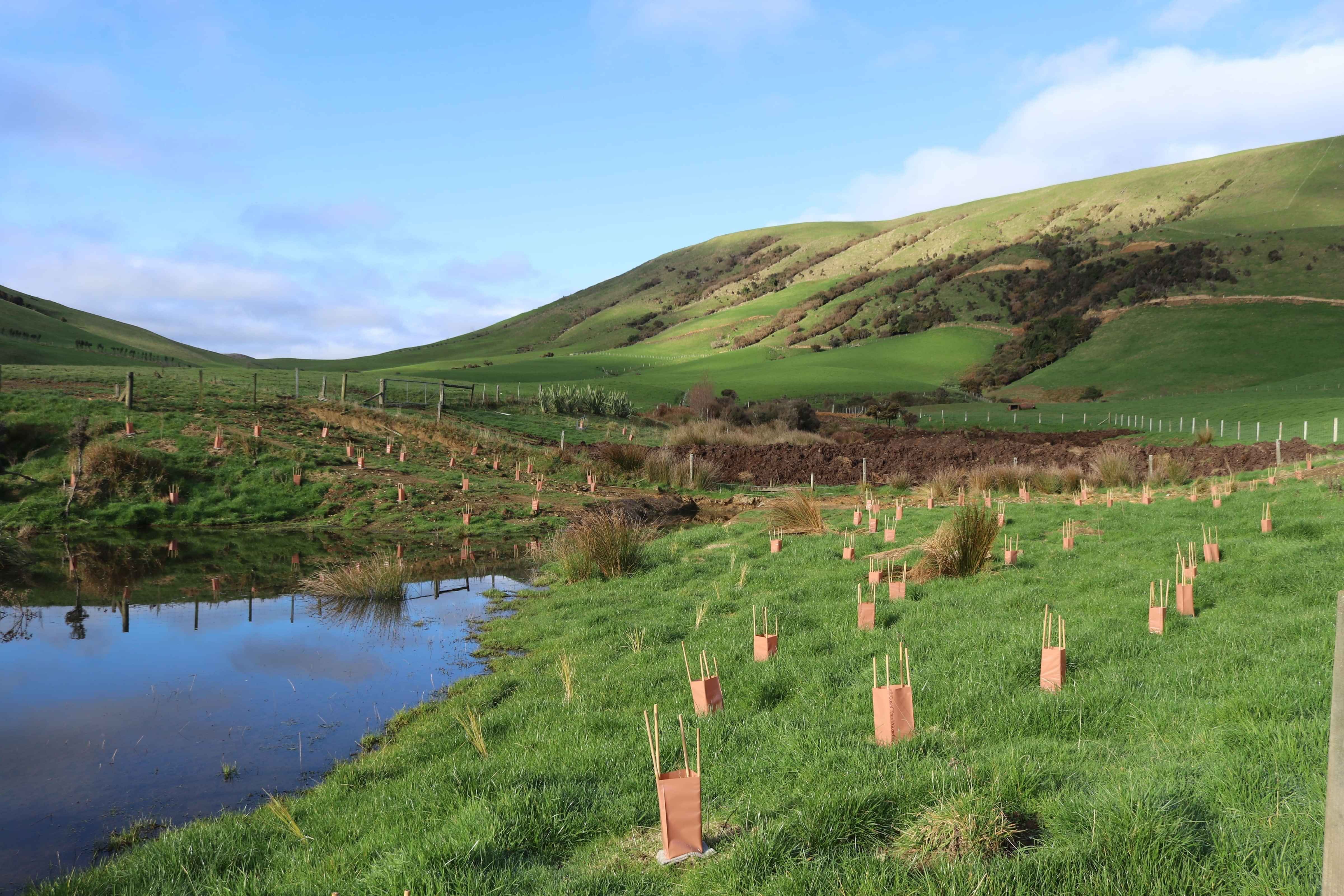
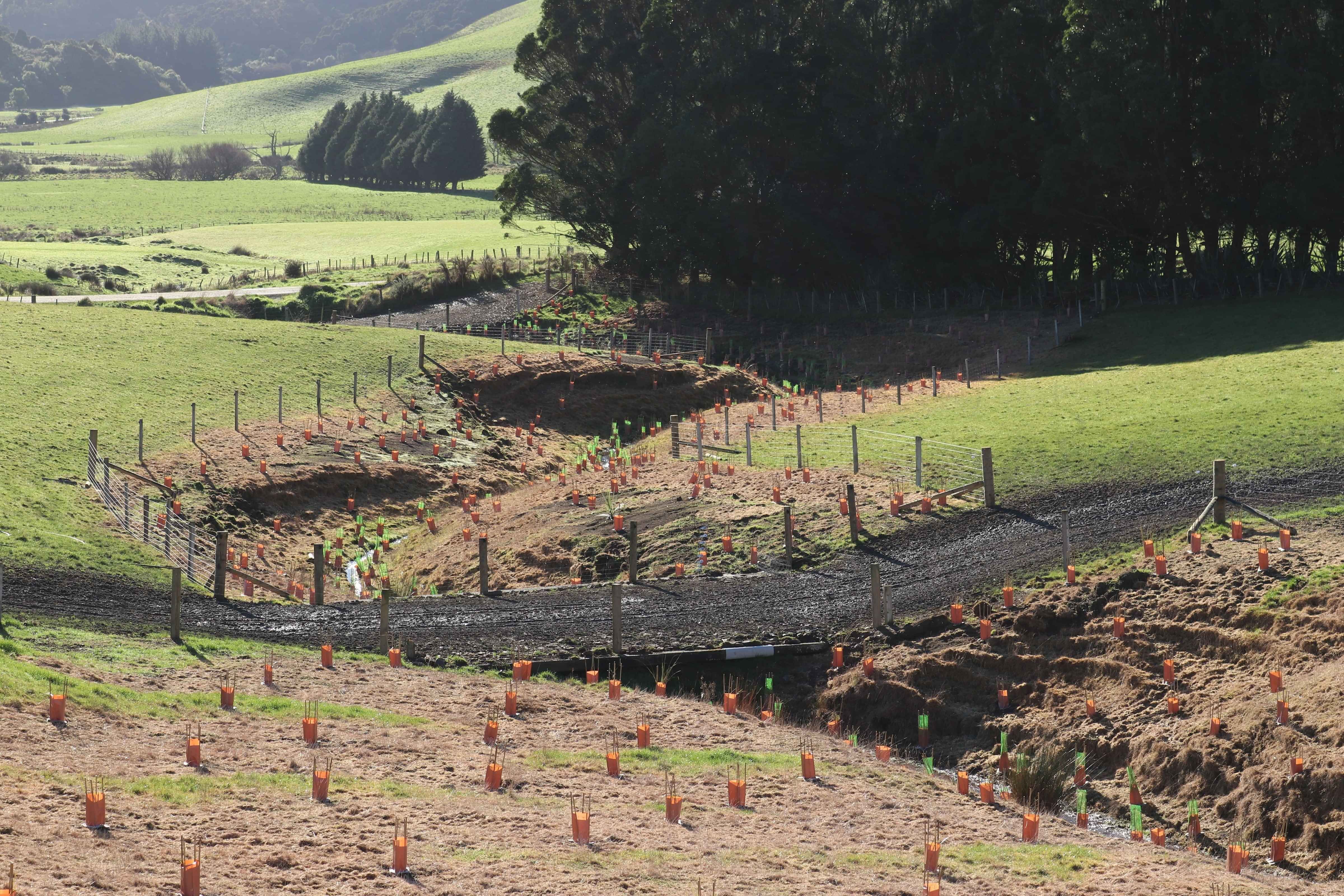
The Waikawa Catchment Group Slow the Flow / Erosion Mitigation Project was a community-led initiative developed from the Waikawa Integrated Catchment Management Plan and supported by Ministry for the Environment funding. The project focused on reducing erosion and sediment loss into the Waikawa River through targeted on-farm interventions across seven properties. Using landscape analysis and catchment planning, farmers implemented practical solutions including fencing, native planting, wetland enhancement, sediment retention structures, and water flow management measures.
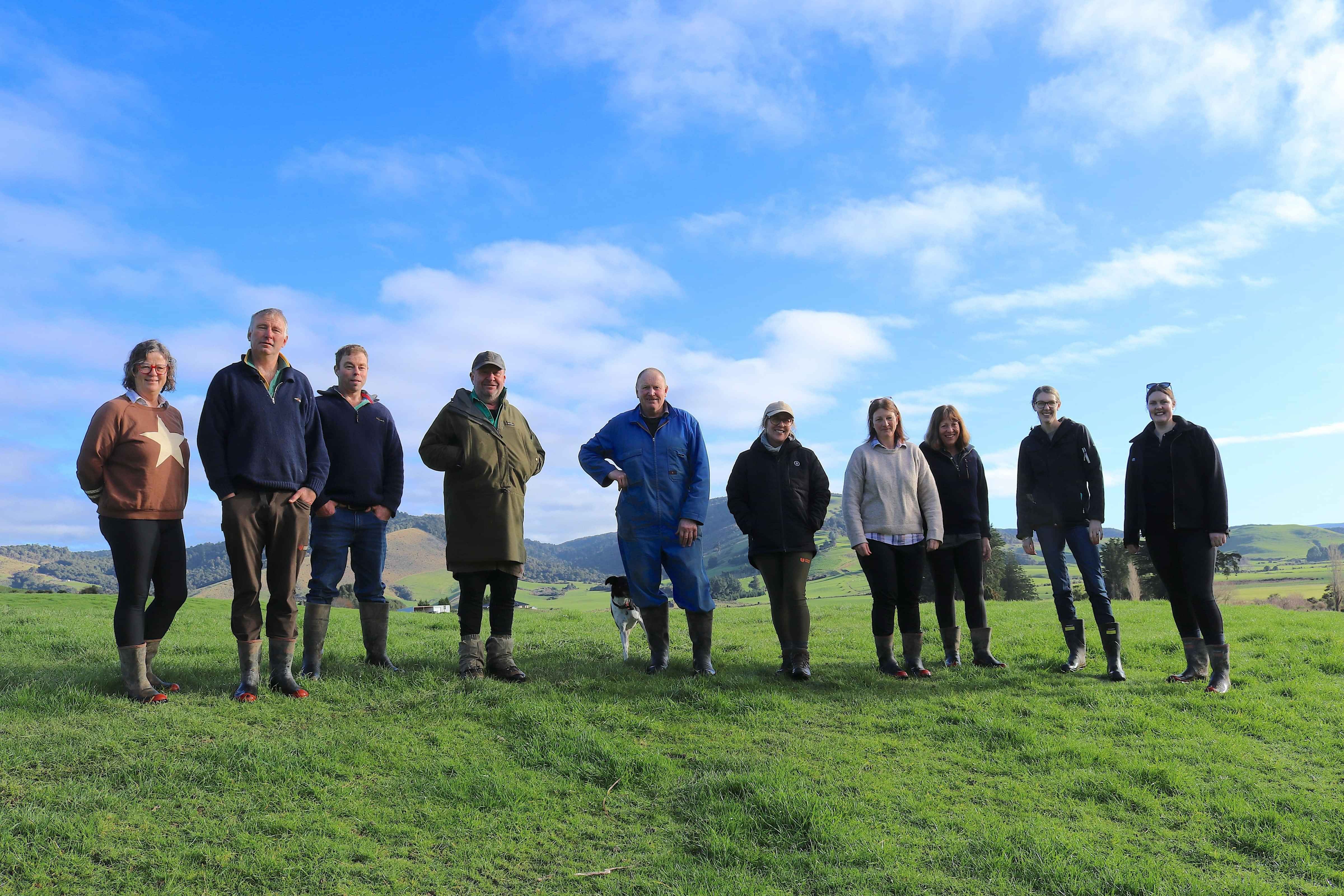
The project was a collaborative effort involving the Waikawa Catchment Group, seven participating farming families, Thriving Southland, Environment Southland, the Ministry for the Environment, Land & Water Science, Watershed Solutions, and a range of local contractors, advisors, and volunteers.
Objectives
The key objectives of the project were to:
Reduce erosion and sediment entering the Waikawa River and its tributaries.
Protect and enhance water quality through targeted action in high-risk areas.
Use landscape assessment data to identify and prioritise critical source areas for intervention.
Increase catchment resilience through wetland restoration, riparian protection, and natural water management systems.
Support biodiversity and ecological health while maintaining practical farming outcomes.
Share knowledge and encourage wider adoption of mitigation practices through field days, case studies, signage, and online resources.
Outcomes
The project achieved significant environmental improvements, including:
8,735 native plants planted
5,095 metres of fencing installed
20 sediment retention structures constructed
More than 10 hectares of land retired from production
4 critical source areas protected
4 wetland areas enhanced
1 natural oxbow wetland preserved
1,290 hours of farmer and community labour contributed
The project reduced stock access to waterways and sensitive areas, stabilised eroding land, slowed and filtered runoff, improved sediment capture, enhanced wetland and riparian habitats, increased biodiversity, and strengthened community engagement in catchment management. The seven participating farms demonstrated practical, scalable approaches that collectively contribute to improved water quality and long-term catchment health.
Thriving Southland is a community-led group with a vision to create a prosperous Southland, healthy people, healthy environment from the mountains to the sea.
View Privacy Policy HERE
CONTACT US
25 Don Street,
Invercargill 9810