Your Catchment Group Coordinator
Stacey Stuart
021 566 229
stacey@thrivingsouthland.co.nz
Catchment Group Contact
Cameron Black
021 928 472
pourakinocatchment@outlook.com
About Us
Formed in 2014, the Pourakino Catchment Conservation Trust is one of Southland’s oldest catchment groups. It began when a few like-minded farmers decided to work together to protect the native bush, rivers, and streams surrounding their farms, while also safeguarding the future of their farming businesses. The group is also an active member of the Aparima community Environment (ACE)
The group’s immediate focus includes:
Minimising sediment runoff
Improving waterway management
Enhancing nutrient management
Strengthening the public perception of agriculture
A longer-term goal is to ensure local farmers are well-informed and empowered to make sound management decisions based on robust data.
Catchment Area
The Pourakino Catchment Conservation Trust covers the entire Pourakino River catchment and its tributaries, extending to where the river joins the Jacobs River Estuary at the base of the Narrows. Key boundaries include:
North: Ferndunlaw Peak
West: Longwoods Range
South: Taylors Creek
East: Opouriki Stream
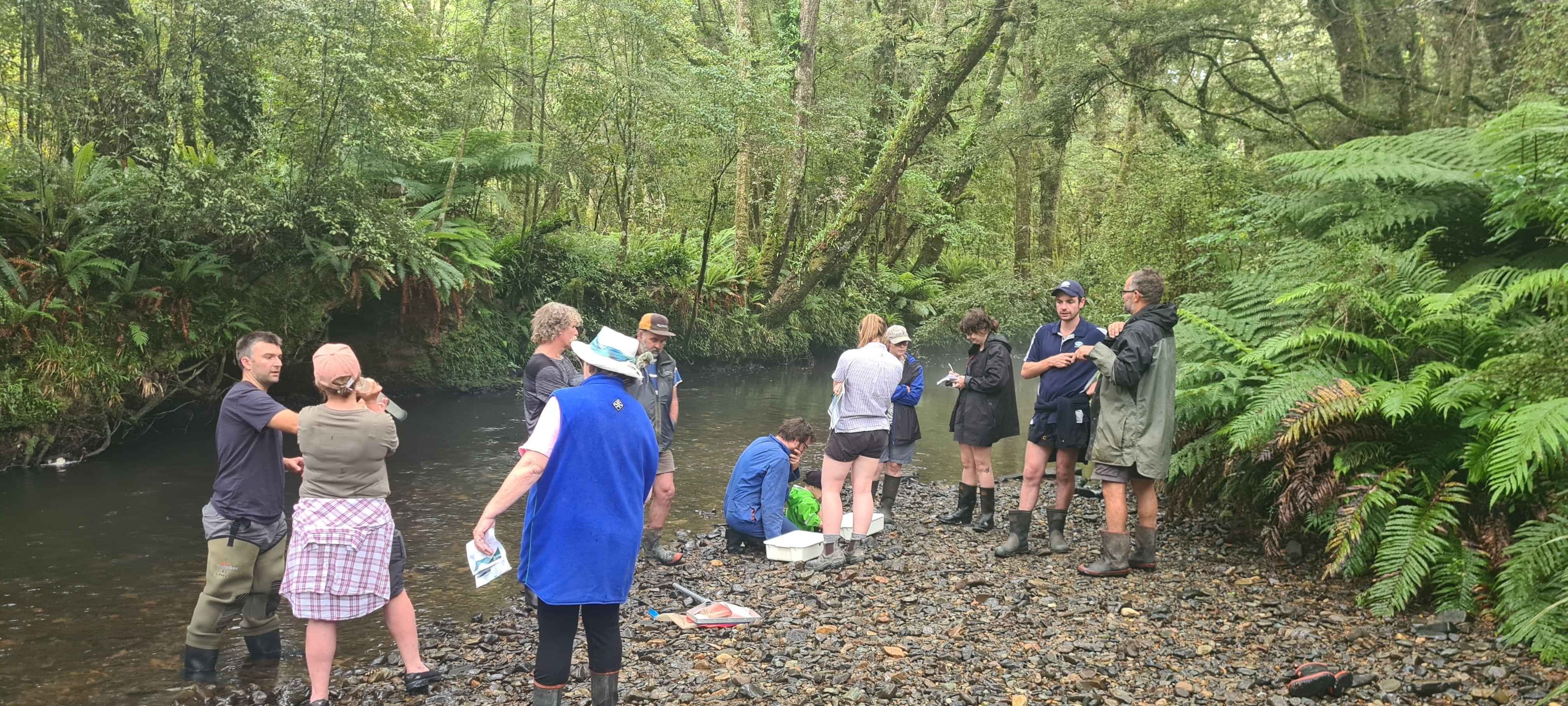
Recent Events
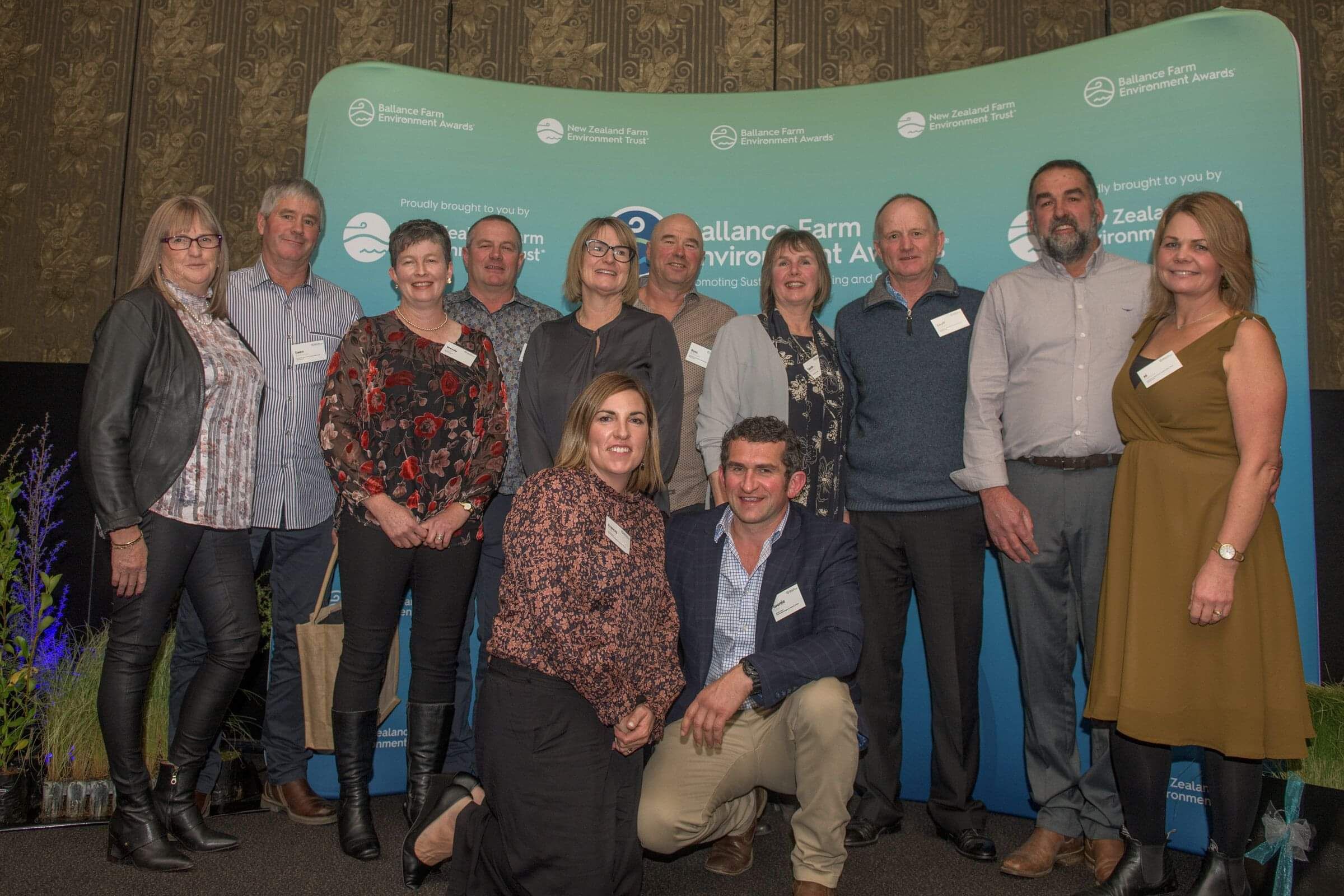
At the end of the year, the Trust hosted a social gathering for all members residing in the catchment area—a chance to connect, reflect, and celebrate progress.
Projects
AgResearch & Pourakino Project
Starting in late 2023 and continuing into 2024, AgResearch researchers Dr. Robyn Dynes and Dr. Helen Percy began working with the Trust to explore how researchers can better collaborate with farming communities to address complex issues like water quality.
Their approach is rooted in action research, working alongside the community to identify and explore locally relevant issues. This involves building relationships, understanding past efforts, and aligning with the community’s values, attitudes, beliefs, and future goals.
Next Steps for this project include
Presentation and Q&A Session
We kicked things off with a session focused on E. coli and water quality in our catchment. AgResearch’s Invermay-based scientists, along with Justin Kitto and Thriving Southland, are keen to support us. Topics include case study farms, mitigation options, and more.AgResearch Brokering Role
AgResearch can continue to act as a broker—connecting us with relevant research and information, particularly around E. coli and genetic engineering (GE).Strategic Planning and Applications
The insights from this project will inform our strategic planning and future funding applications. Robyn and Helen are happy to assist with diagrams and provide guidance on our future direction. They’ve also suggested we explore:Baselining and ongoing monitoring of tangible changes
Developing a Theory of Change that integrates biophysical data with KASA (Knowledge, Attitudes, Skills, and Aspirations)—key precursors to practice change

Thriving Southland is a community-led group with a vision to create a prosperous Southland, healthy people, healthy environment from the mountains to the sea.
View Privacy Policy HERE
CONTACT US
25 Don Street,
Invercargill 9810